
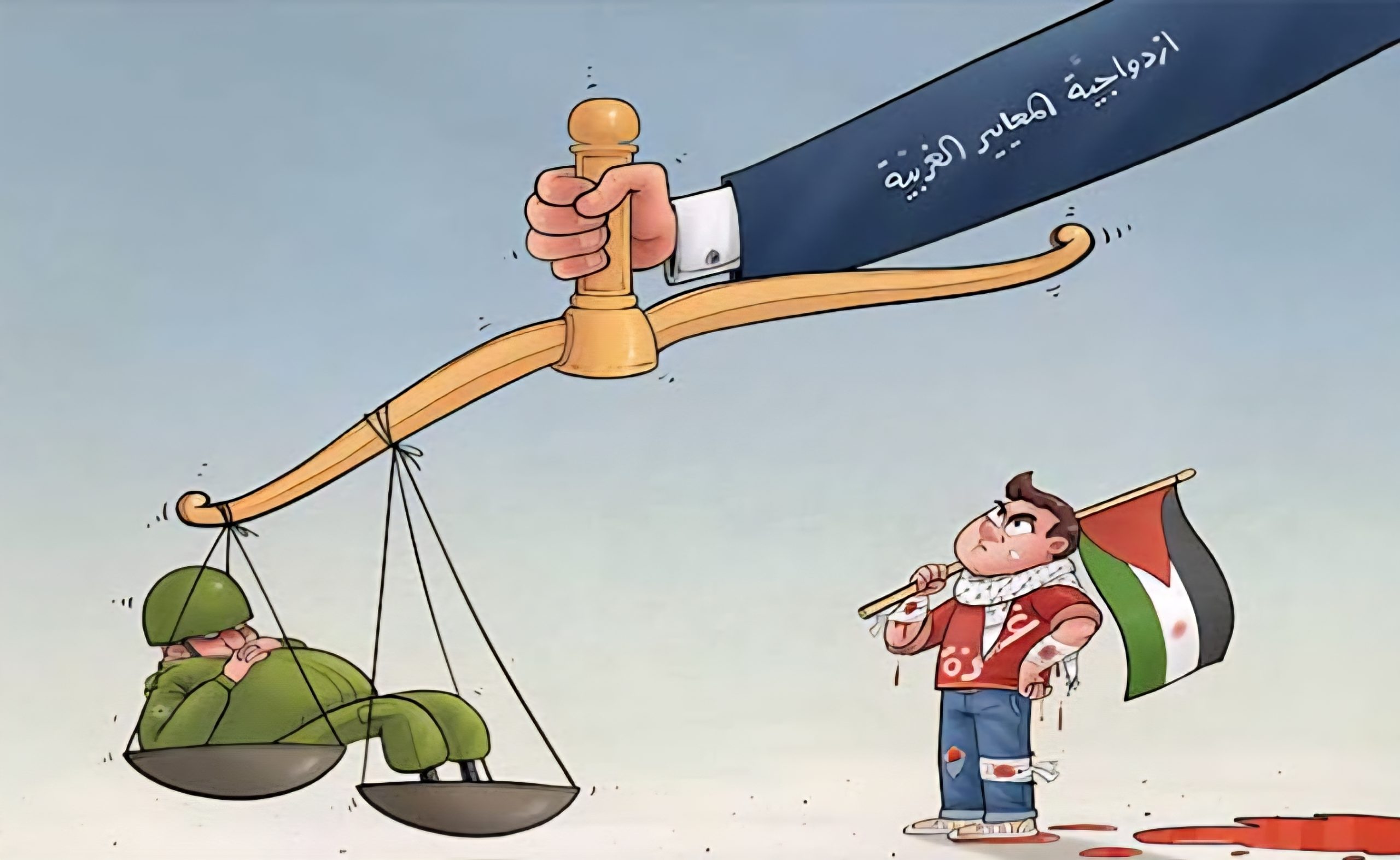
أبلغتُ مؤخرًا عن أفيخاي أدرعي – وهو شخصية معروفة بخطاباته التحريضية – لنشره خطاب كراهية ضد الراحل إسماعيل هنية، رحمه الله، حيث حرضت لغته بوضوح على كراهية شخص متوفى، وهو فعل ينتهك حتى أبسط قواعد اللباقة.
ومع ذلك، كان رد فيسبوك مُدهشًا: فقد زعموا أن المنشور “يتوافق مع معاييرهم”. من الصعب تخيّل أن المنصة ستتسامح مع لغة مماثلة إذا كانت موجهة لشخص متوفى حتى لو كان هتـ.ـلر!
دفعني هذا الحادث إلى اختبار التزام فيسبوك المعلن عنه على نطاق واسع بالإنصاف. لطالما شككت في أن إدارته الناطقة باللغة العربية التي تعمل من الإمارات العربية المتحدة وتل أبيب، ومع ذلك مضيت قدمًا، كانت النتيجة متوقعة ومقلقة في آنٍ واحد: فقد كشف ردهم تحيزًا لا يمكن إنكاره تحت ستار الحياد.
ففي 26 مارس/آذار، ودون أي شكاوى سابقة، أُبلغتُ بحذف منشوري – الذي يُصوّر أمًا فلسطينية تحمل ما تبقى من عظام ابنها – لـ”انتهاكه معايير المجتمع” ووُصف بأنه “كاذب”، ويُزعم أنه تم التحقق منه من قِبل “مصادر موثوقة”. هذا أكثر من مجرد قرار اعتدال؛ إنه يعكس نمطًا منهجيًا لإسكات الروايات التي تتحدى الأجندات السياسية السائدة.
تكشف إجراءات فيسبوك عن حقيقة مُقلقة: حرية التعبير على المنصة مشروطة، تُمنح بشكل انتقائي، وغالبًا على حساب الأصوات الفلسطينية ومن يجرؤون على كشف الحقائق المُقلقة، وبذلك لا يُقوّض فيسبوك مبادئ الحوار المفتوح فحسب، بل يُخاطر أيضًا بترسيخ المعلومات المُضللة من خلال تضخيم بعض الروايات وقمع أخرى.
في عصر تُشكّل فيه وسائل التواصل الاجتماعي الوعي العام، تُعدّ هذه المعايير المزدوجة أكثر من مجرد ظلم، بل هي خطيرة. إذا استمرت منصات مثل فيسبوك في مراقبة التعبير على أسس سياسية، فسوف تتوقف عن كونها منتديات محايدة وستتحول بدلا من ذلك إلى أدوات للسيطرة على الخطابات، مما يقوض جوهر حرية التعبير.
—
Facebook’s Double Standards Are Silencing Palestinian Voices
By Said Mansour
Recently, I reported Avichay Adraee—a figure notorious for his inflammatory rhetoric—for posting hate speech against the late Ismail Haniyeh, may he rest in peace. His language clearly incited hatred toward a deceased individual, an act that violates even the most basic norms of decency. Yet, Facebook’s response was astonishing: they claimed the post “complied with their standards.” It is difficult to imagine the platform tolerating similar language if it were directed at someone like H*itler.
This incident prompted me to test Facebook’s much-publicized commitment to fairness. I have long suspected that its Arabic-language administration operates from the UAE and Tel Aviv, yet I proceeded nonetheless. The result was both predictable and alarming: their response masked an undeniable bias under the guise of neutrality.
On March 26, without any prior complaints, I was notified that my own post—depicting a Palestinian mother holding what remained of her son’s bones—was removed for “violating community standards” and labeled “false,” allegedly verified by “trusted sources.” This is more than a mere moderation decision; it reflects a systemic pattern of silencing narratives that challenge dominant political agendas.
Facebook’s actions reveal an unsettling truth: freedom of expression on the platform is conditional. It is granted selectively, often at the expense of Palestinian voices and those who dare to expose uncomfortable realities. In doing so, Facebook not only erodes the principles of open discourse but also risks entrenching disinformation by amplifying certain narratives while suppressing others.
In an era where social media shapes public consciousness, such double standards are more than unjust—they are dangerous. If platforms like Facebook continue to police speech along political lines, they will cease to be neutral forums and instead become tools for controlling narratives, undermining the very essence of free expression.


لا تعليق